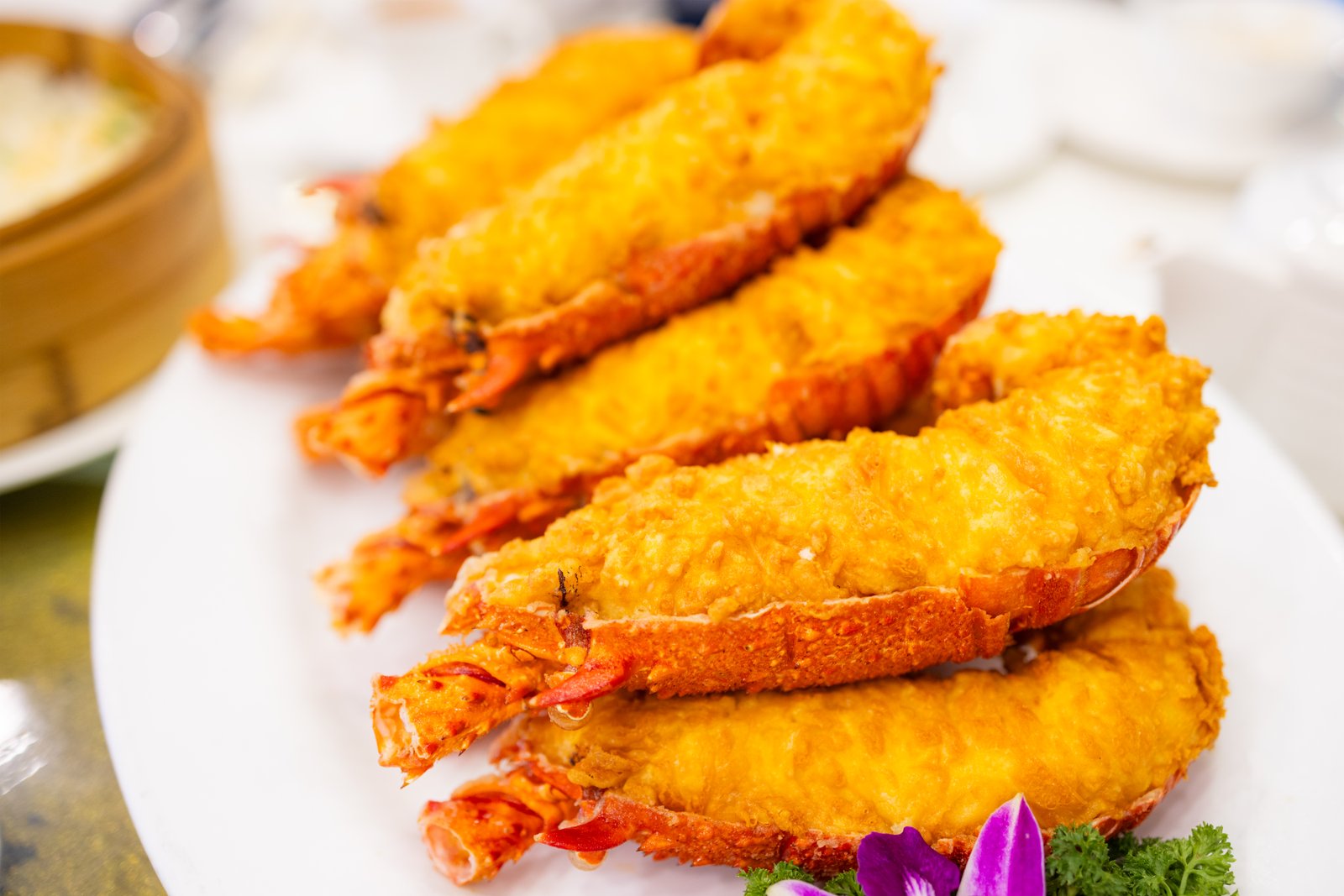
This article explains the four regional Chinese cuisines served at Evergreen On 38, a Chinese restaurant at 10 E 38th St in Manhattan near Grand Central Terminal: Sichuan, Cantonese, Beijing, and Shanghai. Each region has its own history, ingredients, and style of cooking, and understanding the differences can make it easier to choose dishes and build a well-rounded meal.
Chinese cuisine is far more diverse than a single style of food. It has been shaped over centuries by geography, climate, and local tradition, and different regions of China developed distinct approaches to flavor and cooking method. In a city like New York, diners have the rare opportunity to try several of these regional styles without traveling far.
From the bold intensity of Sichuan flavors to the lighter, fresher character of Cantonese dishes, and from the heartier richness of Beijing cuisine to the delicate balance of Shanghai cooking, each style offers something different. Evergreen On 38 brings these traditions together on one menu, giving diners a chance to explore this range in a single visit.
The Bold and Spicy World of Sichuan Cuisine
Among the most recognizable regional styles, Sichuan cooking is known for its bold, complex flavors. Its defining characteristic is “mala,” a combination of numbing Sichuan peppercorn and spicy chili heat that is widely associated with the region’s culinary tradition.
Signature elements include layered spice profiles that build gradually, generous use of garlic, ginger, and fermented sauces, and dishes that balance heat with aroma rather than relying on spice alone. Popular dishes often take the form of spicy stir-fries, hot pots, and richly flavored sauces that leave a lasting impression, making Sichuan cuisine a good fit for diners who enjoy more adventurous flavors.
The Elegance and Balance of Cantonese Cuisine
In contrast to Sichuan cooking, Cantonese cuisine centers on freshness, subtle seasoning, and natural flavors. Originating in southern China, it is generally considered one of the more approachable regional styles for newcomers to Chinese food.
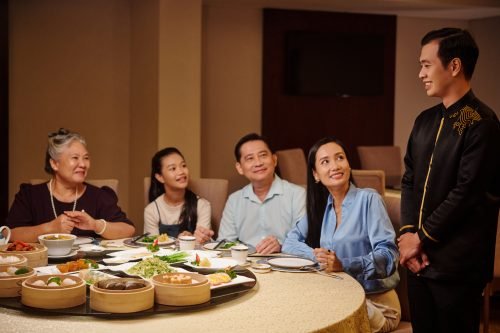
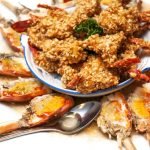
Its key traits include light seasoning that lets ingredient quality come through, and steaming and stir-frying, which are commonly associated with Cantonese cooking, alongside a wide variety of seafood and dim sum. Dim sum in particular is as much a cultural experience as a meal: small plates meant for sharing make it well suited to group dining, letting guests sample a range of textures and flavors in one sitting.
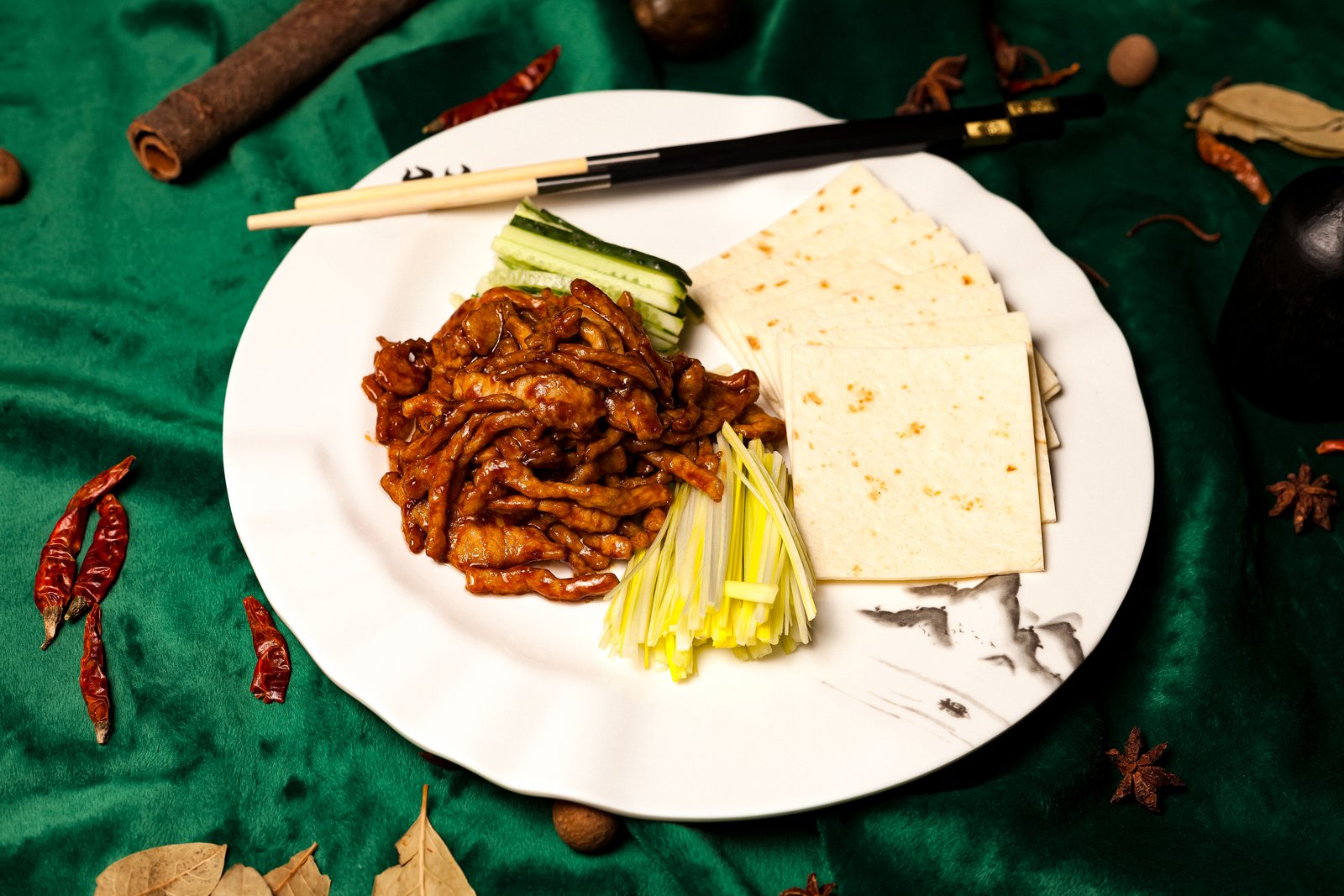
Imperial Traditions in Beijing Cuisine
Beijing cuisine reflects the culinary traditions of China’s capital, where food is commonly associated with the influence of the imperial court. Dishes tend to be hearty, structured, and visually impressive as a result.
Highlights include roasted and braised meats with rich flavors, wheat-based staples like noodles and pancakes, and iconic dishes such as Peking-style roasted duck. Presentation often plays an important role, with dishes served in a way that emphasizes both taste and visual appeal, which makes Beijing cuisine especially suitable for more formal dining occasions.
Delicate and Refined Shanghai Cuisine
Moving toward eastern China, Shanghai cuisine offers a generally milder, slightly sweet flavor profile that is widely associated with balance between comfort and refinement.
Typical features include the use of soy sauce, sugar, and rice wine, soft textures and gentle seasoning, and signature dishes like soup dumplings and braised pork. Shanghai cuisine is often described as approachable yet sophisticated, making it a good option for those who prefer milder flavors without sacrificing depth.
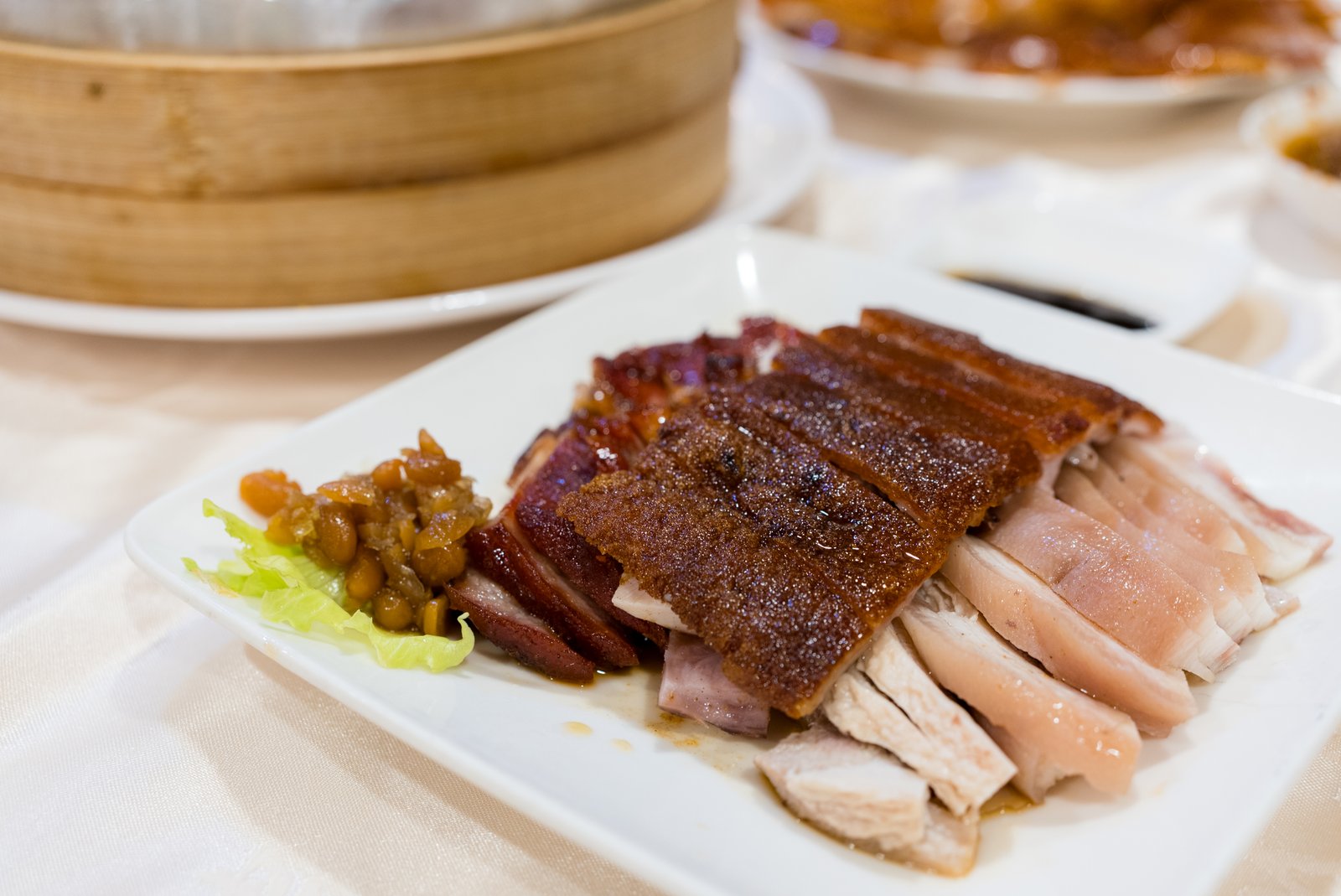
Exploring Four Regions on One Menu
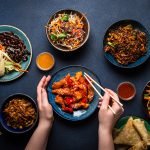
Manhattan’s dining scene makes it easy to try multiple regional Chinese cuisines without extensive travel, and Evergreen On 38 brings Sichuan, Cantonese, Beijing, and Shanghai dishes together under one roof. This lets guests compare flavors across regions, share dishes that represent different traditions, and discover new favorites alongside familiar classics—an approach that works well for group dining, where preferences often vary. Chinese dining has also long centered on sharing food as a way of bringing people together, and that spirit carries through whether you’re dining with family, friends, or colleagues.
How to Build a Balanced Multi-Regional Meal
If you’re exploring regional Chinese cuisine for the first time, ordering strategically can make the meal more enjoyable. A balanced order might include:
- A spicy Sichuan dish for bold flavor
- A Cantonese dim sum or seafood option
- A Beijing-style meat dish for richness
- A Shanghai specialty for a softer, comforting finish
This combination showcases the range of Chinese regional cooking while creating a meal where each dish complements the others.
Conclusion
Exploring these four regional cuisines is a chance to experience the diversity of Chinese food culture without leaving Manhattan. From the fiery intensity of Sichuan dishes to the lighter character of Cantonese cooking, and from the heartier flavors of Beijing cuisine to the delicate balance of Shanghai specialties, each region tells its own story. Discovering these differences at a restaurant like Evergreen On 38 is a good starting point for anyone looking to understand regional Chinese cuisine more deeply.
Frequently Asked Questions
Which regional cuisine is the spiciest?
Sichuan cuisine is generally the spiciest of the four regions, known for its “mala” combination of numbing Sichuan peppercorn and chili heat.
Which regional cuisine is best if I don’t like spicy food?
Cantonese cuisine is usually a good choice for milder palates, since it focuses on light seasoning, freshness, and natural flavors rather than heat. Shanghai cuisine, with its subtler, slightly sweet profile, is another gentle option.
What’s a good dish to start with if I’m new to Chinese regional cuisine?
Cantonese dim sum is a common starting point, since the small, shareable plates let you sample a range of textures and flavors without committing to one heavy dish.
Can I order dishes from different regions at the same table?
Yes. Ordering across regions is a good way to compare styles, and a balanced meal might combine a spicy Sichuan dish, a Cantonese dim sum or seafood option, a Beijing-style meat dish, and a Shanghai specialty.
Is the menu at Evergreen On 38 organized by region?
For the most current menu layout and dish groupings, it’s best to ask staff when you visit or check directly with the restaurant, as menu organization can vary.